7 Signs Your Aging Parent Should No Longer Live Alone

Updated: Apr 14

It usually doesn't happen all at once. The realization that an aging parent is no longer safe at home rarely comes from a single, dramatic event. Instead, it’s a slow accumulation of small, quiet warning signs.
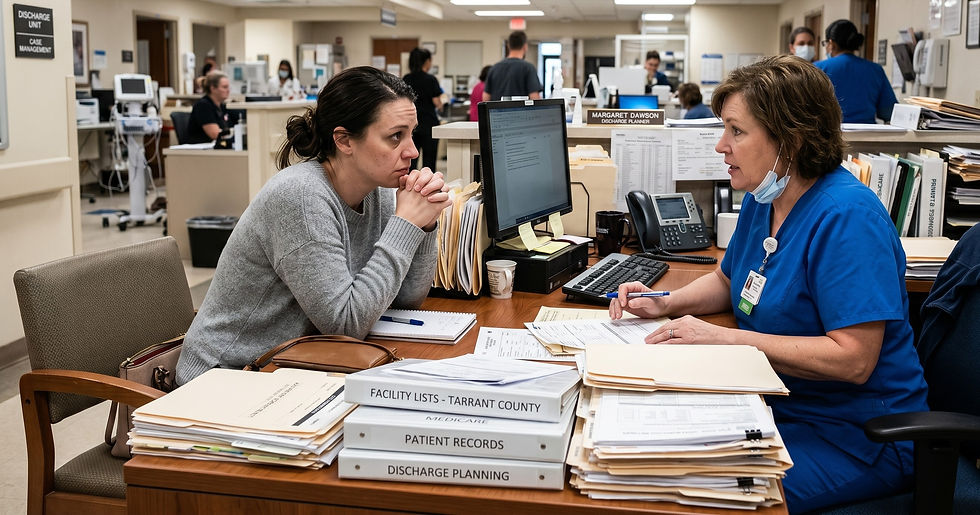
You notice a dent in the car that wasn't there last week. You see expired food piling up in the fridge. You brush it off, telling yourself, "They are just getting older." But as a nurse with over 15 years of clinical experience, I can tell you this: brushing off those small signs is how families end up making rushed, life-altering decisions during a Friday afternoon hospital discharge.
If you are losing sleep wondering if your parent is safe, it is time to take a hard look at their daily reality. Here are the 7 undeniable signs that your aging parent should no longer live alone.
1. The Refrigerator Test (Spoiled Food & Weight Loss)
Nutrition is often the first thing to decline. Cooking for one becomes exhausting, and the physical act of grocery shopping becomes a hurdle. Open their refrigerator. Are there multiple expired items? Are they surviving entirely on frozen dinners or toast? If you notice sudden, unexplained weight loss or clothes hanging loosely on them, their home environment is no longer supporting their health.
2. Unexplained Bruises and Frequent "Trips"
Seniors will often hide their falls because they are terrified of losing their independence. Look closely at their arms and legs for unexplained bruising. If they are holding onto walls, gripping furniture tightly to move across the living room, or mentioning that they "just tripped," a major fall is imminent. In an empty house, a fall can mean hours or days on the floor.
3. The Scorched Pan (Fire Hazards)
Walk into their kitchen and check the bottoms of their pots and pans. Are they heavily scorched? Finding burners left on, appliances left plugged in, or ruined cookware is a massive red flag for cognitive decline. What was once a simple task of boiling water has now become a daily fire hazard.
4. The Pillbox Confusion
Medication mismanagement is one of the leading causes of preventable hospitalizations in seniors. Look at their weekly pill organizer. Are there pills left over from three days ago? Are they taking tomorrow's doses today? When blood pressure medication or blood thinners are skipped or double-dosed, it creates an invisible, ticking clock for a medical emergency.
5. A Decline in Personal Hygiene
Has a parent who was always impeccably dressed started wearing the same stained clothes multiple days in a row? Has their home developed a lingering odor of urine, or are they skipping baths because they are afraid of slipping in the tub? A decline in hygiene is rarely laziness; it is almost always a sign of physical inability or severe depression.
6. Unopened Mail and Rising Paranoia
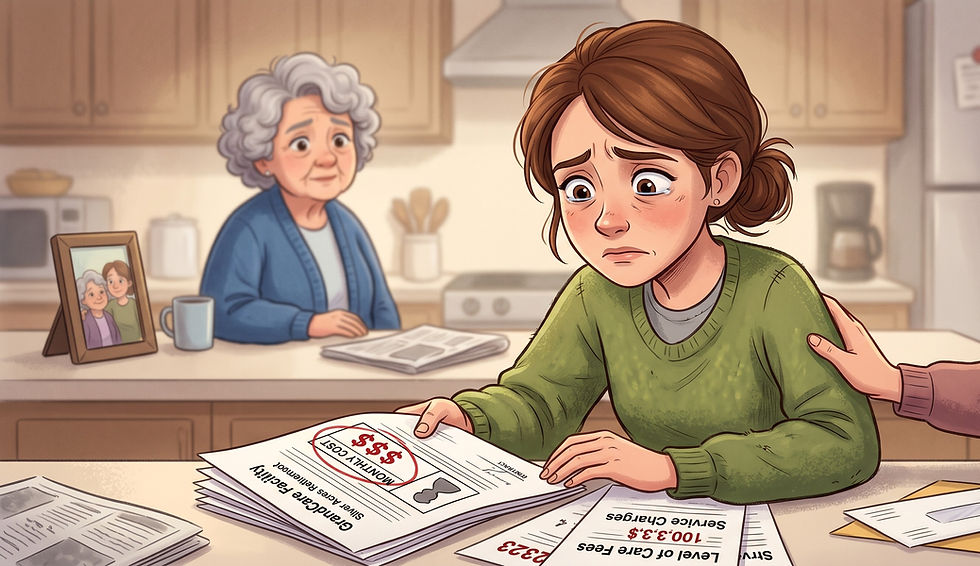
Take a look at their kitchen counter. Is mail piling up unopened? Are bills going unpaid despite them having the funds? Furthermore, are they becoming unusually paranoid about the neighbors, the mailman, or family members? Paranoia and financial confusion are hallmark early signs of dementia and cognitive decline.
7. Caregiver Burnout (Look in the Mirror)
The final sign isn't about your parent; it’s about you. Are you constantly checking your phone, terrified it's going to be a neighbor or the hospital calling? Are your relationships, your career, and your own physical health deteriorating because you are trying to be a full-time caregiver on top of your normal life? If you are burning out, the current situation is unsustainable.
Do Not Wait for a Crisis
The hardest part about noticing these signs is the guilt that follows. You promised you would never put them in a "facility." The thought of them sitting in a crowded, noisy institution with 50 strangers and a 1-to-15 caregiver ratio breaks your heart.
But you do not have to choose between their safety and their dignity.
There is a "Softer Setting."
At Your Forever Home in Southwest Fort Worth, we built the exact opposite of a massive, clinical facility. We are a luxury residential care home that deliberately limits our occupancy to just two residents.
We provide an exclusive 1:2 care ratio, meaning your parent receives unhurried, highly personalized attention every single day. Instead of eating frozen dinners alone, they enjoy fresh, home-cooked meals. Instead of waiting hours for a call light, they literally live with a nurse and a certified CNA who monitor their health 24/7.
You can step out of the exhausting role of "full-time caregiver" and go back to simply being a loving daughter or son.
Don't Wait for a Crisis—Let's Talk.
The hardest part about noticing these signs is the guilt that follows, but you do not have to wait until this becomes a 911 emergency to ask for help.
If you are noticing these warning signs and are losing sleep over your parent's safety, you do not have to navigate this heavy transition alone. I have spent 15 years as a nurse helping families just like yours make sense of these exact challenges.
If you have questions about your parent's decline, or if you just need to know what your options are in Tarrant County, please reach out. Let's have a completely free, zero-pressure conversation about your parent’s unique needs, and I will help you find the peace of mind your family deserves.
[Click the link below to Contact Tamika for a Free Care Consultation]
Tamika Mason
Nurse, Owner & CEO
Your Forever Home, LLC

Comments