The Revolving Door: How Consistent Caregivers Can Reduce Anxiety in Aging Parents

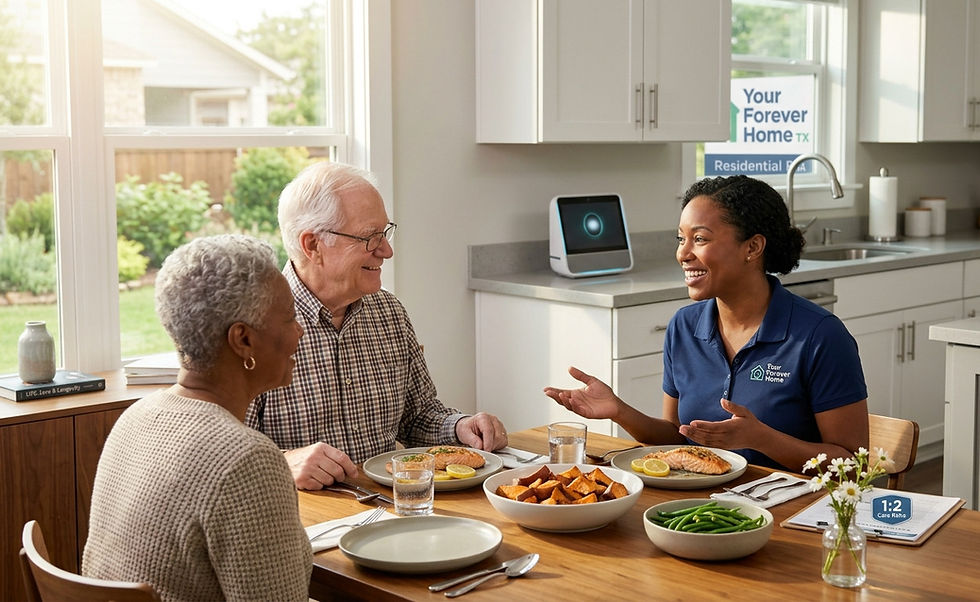
If you have an aging parent, you have likely seen "the look." It’s the subtle tightening of their jaw or the sudden quietness that washes over them when a new face walks into the room.
For seniors—especially those experiencing cognitive decline or memory challenges—the world is already becoming a confusing, unpredictable place. When their living environment becomes a revolving door of unfamiliar caregivers, that confusion quickly escalates into chronic anxiety.
In my 15 years of clinical nursing experience, I have seen firsthand how the "big box" facility model inadvertently creates stress for the very people it is supposed to protect. When facilities operate with a 1:15 or 1:20 caregiver-to-resident ratio, high staff turnover and constant shift changes are inevitable.
Here is why a consistent caregiver is not just a luxury, but a clinical necessity for your parent’s peace of mind—and your own.
1. The Exhaustion of "Re-Explaining"
Imagine waking up every morning and having to explain to a stranger how you like your coffee, that your left shoulder hurts when you reach up, or that you need a few extra minutes to find your balance when standing.
For a senior, constantly advocating for their own basic needs is exhausting. Consistent caregivers eliminate this friction. They already know the routine. They know exactly how Mom likes her pillows arranged, and they know that Dad prefers to watch the news before breakfast. This rhythm creates a profound sense of safety.
2. Reading the "Unspoken" Baseline
When a caregiver is stretched across 15 different residents, they only have time to react to major emergencies. They miss the subtle clues.
A consistent caregiver who spends every day with your parent knows their unique "baseline." They notice when a resident is slightly more lethargic than usual, when they are eating a little less, or when a urinary tract infection might be brewing long before it becomes a hospital visit. In a boutique, low-ratio residential care home, caregivers don't just treat symptoms; they read the unspoken signs.
3. Trust is the Ultimate Medication
Anxiety often manifests as agitation, resistance to care, or refusing to eat. In large facilities, these behaviors are frequently managed with medication.
But often, the root cause isn't medical; it's emotional. It is the fear of being vulnerable with a stranger. When a senior is bathed, dressed, and fed by the same compassionate professional every single day, a bond forms. Trust replaces fear. The caregiver goes from being a "staff member" to being family.
The Residential Care Advantage
This is exactly why smaller, residential care homes can often offer a profound advantage over traditional, large-scale nursing facilities. By eliminating the revolving door of staff, smaller homes ensure that caregivers adapt to the residents, rather than forcing residents to adapt to a facility's more chaotic environment.
This approach doesn't just reduce anxiety for the senior—it cures the anxiety of the adult child. When you know exactly who is sitting at the table with your parent every single day, you can stop managing their care and go back to simply being their daughter or son.
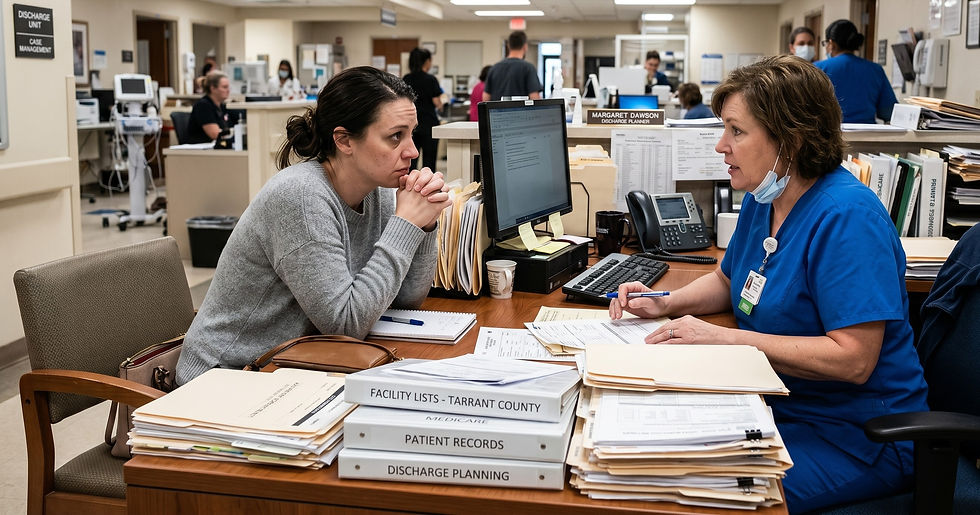
Navigating the transition to long-term care can feel overwhelming, but you don't have to figure it out alone. As a nurse with 15 years of clinical experience, I am dedicated to helping Tarrant County families understand all their care options and advocating for the safest, most compassionate environments to fit your specific needs.
[Click the link below to Contact me for Support and Guidance]
Tamika Mason
Nurse, Owner & CEO
Your Forever Home, LLC
Comments